The history of nudity in cinema is a fascinating journey that reflects the evolving attitudes of society towards the human body, artistic expression, and the boundaries of filmmaking. Over the years, nudity in film has shifted from being a source of controversy to a powerful tool for storytelling and artistic exploration.
Early Years and Censorship (1890s-1920s):
In the early days of cinema, societal norms were more conservative, leading to strict censorship and regulations. Filmmakers faced significant challenges in depicting nudity on screen. However, pioneering directors like D.W. Griffith and European filmmakers began pushing boundaries, introducing brief glimpses of nudity that sparked public debates.
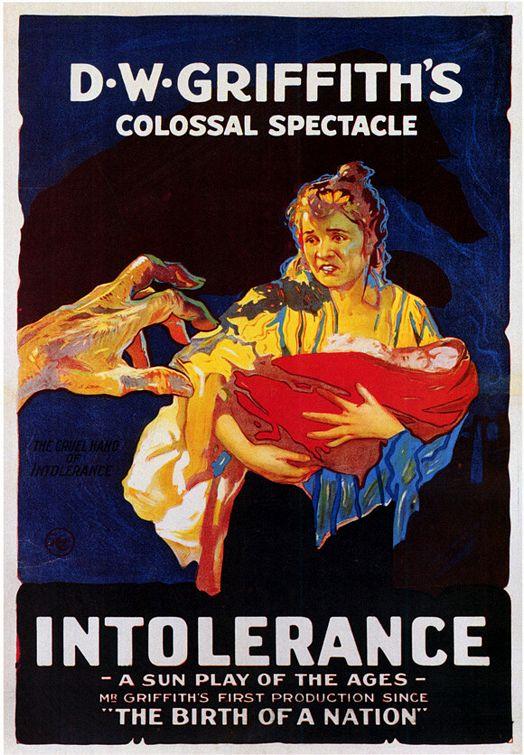
‘Intolerance’ by D.W. Griffith (1916)
Golden Age Hollywood (1930s-1950s):
The implementation of the Hays Code in Hollywood during the 1930s imposed strict moral guidelines, restricting the display of nudity. Nevertheless, filmmakers found creative ways to allude to or suggest nudity without violating the code. Stars like Jane Russell challenged norms with strategic and tasteful nude scenes, signalling a gradual shift in societal acceptance.

‘The Outlaw’ by Howard Hughes (1943)
The Sexual Revolution (1960s-1970s):
The 1960s and 1970s marked a turning point with the decline of censorship regulations and the emergence of the sexual revolution. European cinema, led by directors like Ingmar Bergman and Federico Fellini, embraced nudity as a form of artistic expression. In Hollywood, films like “Midnight Cowboy” and “Last Tango in Paris” challenged conventions, exploring nudity within the context of complex narratives.

‘Last Tango in Paris’ by Bernardo Bertolucci (1972)
1980s to Present:
As societal attitudes became more liberal, nudity in film became increasingly common. Directors like Bernardo Bertolucci and Pedro Almodóvar integrated nudity seamlessly into their films, emphasising its role in storytelling. The rise of independent cinema and the advent of explicit content on cable and streaming platforms further expanded the boundaries of on-screen nudity.

‘The Skin I Live In’ by Pedro Almodóvar (2011)
Artistic Expression and Empowerment:
In contemporary cinema, nudity is often viewed as a tool for artistic expression rather than mere titillation. Filmmakers use nudity to explore themes of vulnerability, intimacy, and human connection. Actresses and actors, empowered by a changing industry, now have more agency in deciding how their bodies are portrayed on screen, contributing to a more inclusive and respectful cinematic landscape.

‘Poor Things’ by Yorgos Lanthimos (2023)
Challenges and Controversies:
While nudity in film has come a long way, it still sparks controversies. Striking a balance between artistic intent and avoiding exploitation remains a challenge. The #MeToo movement has shed light on the importance of consent and ethical considerations in on-screen nudity, prompting the industry to reevaluate its practices.
Conclusion
The history of nudity in cinema reflects broader societal shifts, from censorship and strict regulations to a more nuanced and accepting approach. As filmmakers continue to explore the human experience, nudity remains a potent element, contributing to storytelling and artistic expression in diverse and meaningful ways.
 What are your thoughts on nudity in cinema?